Whitetail Scouting Tips for Deer Hunting in Manitoba
With its variety of habitats and exceptional species genetics, Manitoba has long been celebrated as a premier destination for whitetail deer hunting. From shed hunting to trail camera setup, prepare to take advantage of Manitoba’s abundance of deer with top-tier scouting strategies.
Get Started With Whitetail Scouting Essentials
- Scout through spring and summer to study whitetail habits for the fall hunting season
- Learn the locations of food and water sources and the bedding area of the deer
- Find deer gathering spots by looking for rubs, scrapes and sheds
- Set your trail cameras near a food source, facing north and down the trail or along the edge of the field
- Protect your trail cameras from bears with a security box or by setting it up high on a thin tree
Why Scout Whitetail Ahead of Season
Many seasoned hunters in Manitoba make the most of the spring and summer months to gain an edge for the season opener in the fall.
Early season scouting can be revealing and rewarding in so many ways. Whitetails are the creatures of habit, and doing your homework ahead of season start will provide you with confidence, probable patterns and a chance at a successful harvest in the future. It might even give you the advantage you need to outsmart that elusive giant.

Discover Top Scouting Tips for Your Manitoba Whitetail Hunt
Tune in to Whitetail Daily Habits and Movement
One of the most enjoyable ways to spend an evening in the spring, summer and early fall months is to get into a vehicle and scout for whitetails. It can also be one of the most effective ways to learn the behaviours of whitetails. The more time you spend scouting, the more you begin to understand their behaviour and how they react to changing conditions in the environment.
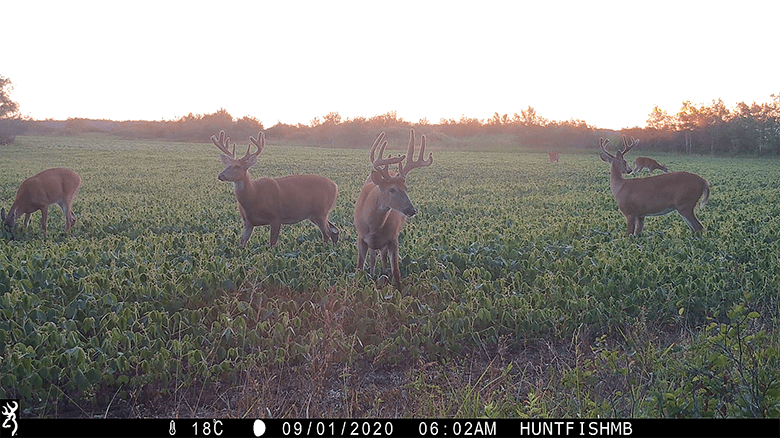
During the spring and summer months, whitetails spend a lot of time doing the same thing daily—travelling to and from their:
- food source
- water source
- bedding area
These routines can become very predictable.
Focus your scouting efforts on the areas around food sources. This is where you will have your best chance to see whitetails in the daylight.
Keep in mind typical deer feeding times:
- Start—the last few hours of the evening
- End—the first few hours of the morning
Good to Know
When watching the deer move out onto the fields, take note of the following:
- where whitetails enter the field
- wind direction
- weather conditions
- moon phase
Get Insight into Whitetail Behaviours Through Shed Hunting
Shed hunting is one of the best ways to scout for whitetails in the spring. The deer usually shed their antlers near the end of December through to the end of February.

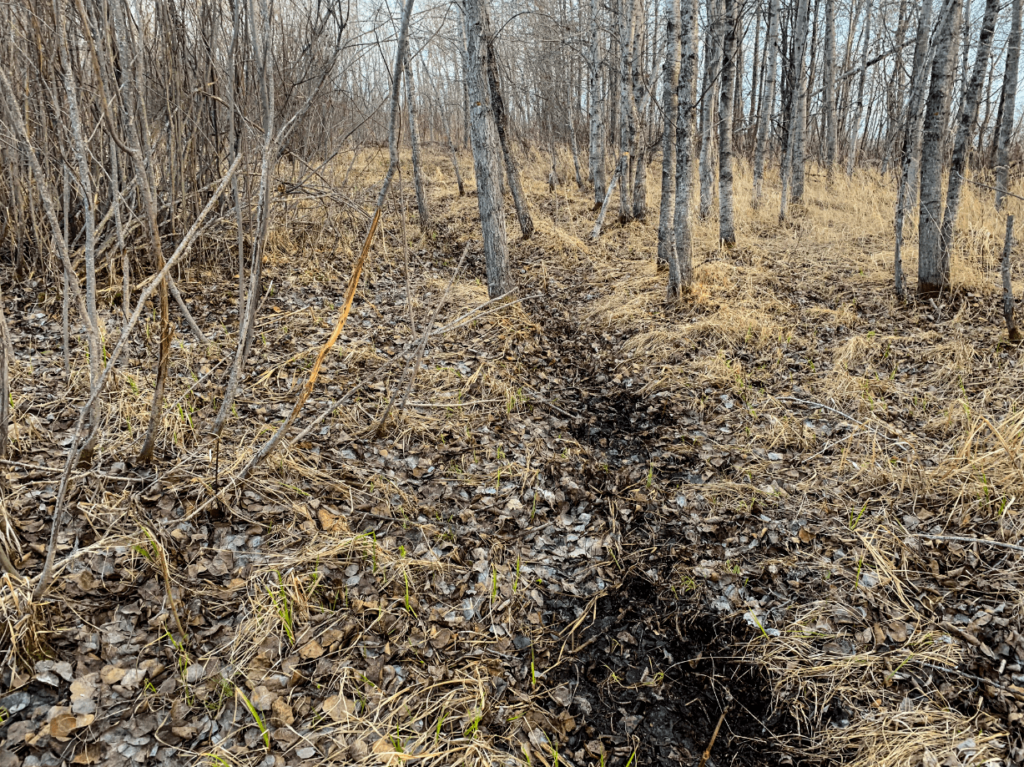
During these months, the deer often use the same trails from their bedding area to their feeding area every day as it helps conserve energy. Find these trails before the snow has melted and follow all the networks of trails. Get to the feeding and bedding areas of the deer and start a grid search to cover the area. Look out for rubs and scrapes, this is where the deer will be most active come November.

If you are fortunate to find some sheds, this can be a valuable tool to base your future scouting and hunting activities on. Finding a shed from a whitetail and following along with its growth throughout the summer months gives you a very intimate experience with the deer. If you are able to harvest that deer during the fall hunting season, this can make for a memorable story.
Set up a Trail Camera for Whitetails
As spring progresses and the grass begins to grow, so do the antlers on whitetails. This is an opportune time to set trail cameras and observe antler growth.

Select the Right Location for Your Camera
When setting trail cameras, these are the things to keep in mind.
- Set near a food source
The best place to set your trail camera is near a food source. Once the summer heat initiates the growth of the agriculture fields, the deer get into their summer patterns and you can observe them reliably in the vicinity of their usual feeding grounds.
- Face north to avoid sun flare
Whether you are setting your camera up on the field edge or the trails leading to the food source, be cognizant of the sun’s location throughout the day. As a general rule, try to set the cameras facing north as it prevents the light from shining directly into the camera and flooding the image.

- Turn the camera down the trail or along the field edge
When setting a camera up on a trail, set it facing down the trail rather than across. This allows more time for the camera’s trigger to be initiated and gives a better chance of catching the entire deer in the image.
The same is true for setting the camera on a field edge. Often, deer will navigate along the field edges, where there is easy access to their cover, as opposed to walking right across the middle. Thus, when setting a camera on a field edge, angle it along the edge of the field.
- For multiple cameras, place near bedding areas
If you are using several trail cameras, one option is to travel deeper into the bush and set them closer to deer bedding areas. When setting the cameras here, check them as sparingly as possible to minimize the impact on the deer and lessen the chance of pushing them out of the area.
Protect Your Trail Camera from Bears
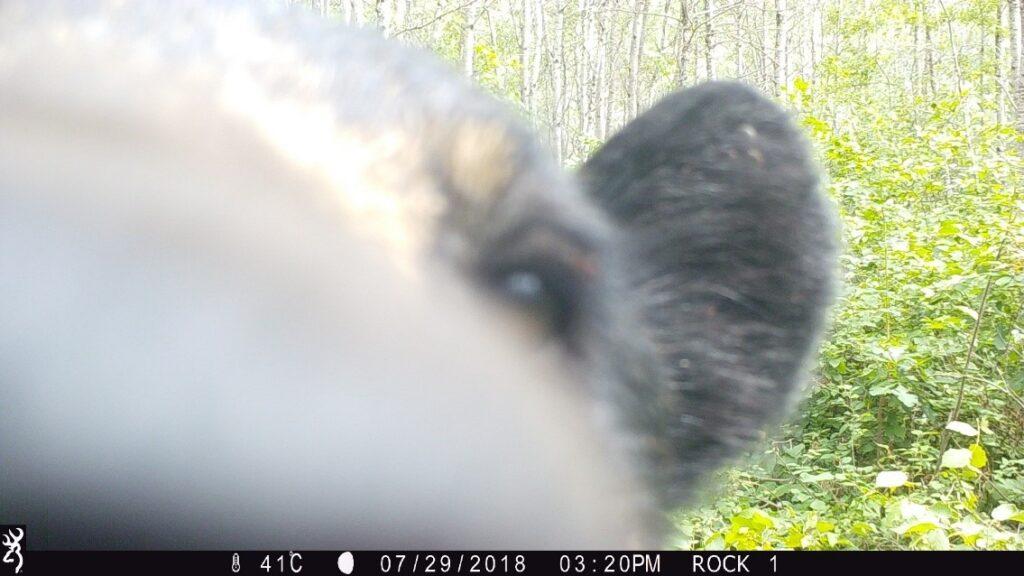
Bears are curious animals and are not shy about inspecting the shiny new additions to the trees—and you might end up losing valuable cameras to bears.The best way to protect the trail cameras is to use a security box on the camera.
If the box is not an option, the next best thing is to set the camera as high as possible on a skinny tree. When setting the camera this way, angle it down to get a good field of view on the trail. Cutting off the top of the tree will reduce the swaying from the wind, helping increase image quality.
Head Out onto the Trail
After doing your homework and using these scouting tips, you should have all the confidence you need to head into the woods. Knowing the probable patterns of the deer you are after will contribute to future successful harvests in the whitetail woods. And it may allow you to get that much-needed edge in tracking down the elusive giant Manitoban whitetail of your dreams.
For fall deer scouting tips, check out our dedicated blog here.

For more information on hunting whitetail deer in Manitoba, visit our Big Game page.
Celebrate the experience of hunting in Manitoba, submit your harvest to the Manitoba Master Hunter Program.
Frequently Asked Questions
When is the whitetail deer hunting season in Manitoba?
The general rifle season typically opens around the second Monday of November and runs for three weeks, concluding at the end of the month. Archery season opens in late August, and the muzzleloader season generally begins in mid-to-late October. Because season dates can shift slightly from year to year, always consult the current year’s Manitoba Hunting Guide for the exact dates and regulations for your specific Game Hunting Area (GHA).
What are the prime locations for whitetail scouting in Manitoba?
Focus your scouting efforts on the transition zones between primary food sources and bedding areas. Whitetails are creatures of habit. During the spring and summer, observe agricultural fields and note exactly where deer enter the field from the cover of the bush. Mapping these daily routines and identifying late-season bedding areas will give you a clear picture of their probable patterns.
What’s the best time of day to scout for deer?
Generally, whitetails will feed from the last few hours of the evening through the first few hours of the morning. Setting up at a safe distance with binoculars or a spotting scope during the evening is one of the most enjoyable and effective ways to see deer in the daylight. Observing from afar allows you to pattern their movements and behaviour without intruding on their habitat or causing unnecessary stress.
How to improve your whitetail hunting skills?
Great hunters treat scouting as a year-round activity. It helps to split your offseason into two phases. First, scout in the winter when there is snow on the ground; this allows you to easily follow tracks from food sources back to bedding areas and analyze how deer use the terrain. Second, head out in early spring right after the snow melts to identify trails, rubs and scrapes before new green growth covers the sign. Always ask yourself why a deer issuing a specific area and take notes on access to cover areas, food and water sources.
What gear should I bring?
For pre-season scouting, a reliable vehicle, binoculars or a spotting scope and a notebook or mapping app are essential tools. When transitioning into the woods, consider using trail cameras where possible. Whitetail hunting season in Manitoba means dressing for all weather conditions in layers with insulated and waterproof boots.
What is the best time of year to look for a shed from a deer?
Whitetails in Manitoba typically drop their antlers from late December through the end of February. The absolute best time to head into the woods to find them is in early spring, just before all the snow has melted.
What’s the best terrain for deer hunting?
The ideal terrain offers a balance of accessible food sources and dense, secure cover. Manitoba boasts exceptional habitat variety, from boreal forests to expansive farmlands. Field edges that provide deer with quick access to the bush are highly productive, as deer prefer to navigate securely along these edges rather than crossing wide-open ground.
What are the best tips for deer hunting in the prairie?
In Manitoba’s agricultural regions and parklands, utilize the vast sightlines to your advantage. Ground blinds or tree stands overlooking crop edges or fields are highly effective. Focus your scouting on the specific areas where deer transition from bluffs of cover into the open fields. Pay strict attention to wind direction, as scents can carry incredibly long distances.
What are the best tips for deer hunting in the boreal forest?
Since food isn’t as heavily concentrated as it is in the agricultural zones, you must rely on finding natural pinch points, active scrapes and well-worn trails in the timber. Snow tracking is incredibly valuable in these environments to help you pinpoint isolated bedding areas and intercept mature bucks moving through dense cover.